TMS Therapy and Neurofeedback in Woodland Hills, CA
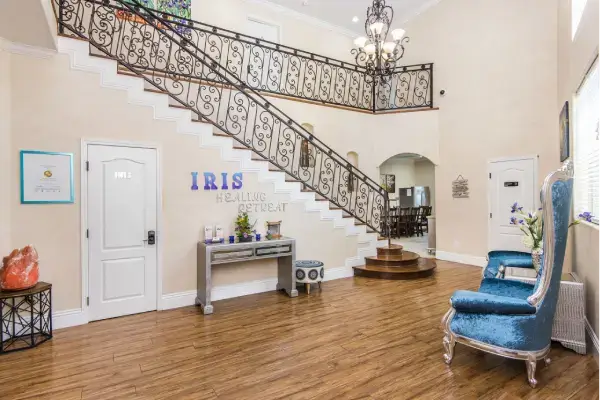
Iris TMS Wellness is a specialty mental health practice in Woodland Hills, California, offering TMS therapy and neurofeedback for adults who have not found lasting relief from medication.
Both treatments are non-invasive, drug-free, and FDA-cleared. Both are provided under the direct clinical direction of Dr. Elena Kapustina, PsyD, founder of Iris TMS Wellness. Medicare and most major insurance plans cover TMS therapy for qualifying patients.
If medication has not worked, or if the side effects have outweighed the benefits, Iris TMS Wellness offers a different path.
Verify Your Insurance Benefits
No commitment required. Free, same-day response.
Address
20300 Ventura Blvd, Suite 275
Insurance
Medicare & Major Plans Accepted
Parking
Free In Building Lot
Consultation
Free — No Obligation
Drug-Free Mental Health Treatment When Medication Has Not Been Enough
Antidepressants do not work for everyone. Studies show that approximately 30% of patients with major depressive disorder do not respond adequately to two or more antidepressant medications. These patients are classified as having treatment-resistant depression, and they are the population Iris TMS Wellness was built to serve.
Medication is not the only path to recovery. TMS therapy (Transcranial Magnetic Stimulation) treats depression by stimulating specific brain regions with magnetic pulses. It has a clinical response rate of 50% to 60% for major depressive disorder. Up to one-third of patients reach full remission.
Neurofeedback therapy trains the brain to regulate its own activity in real time, addressing conditions including anxiety, PTSD, ADHD, and sleep disruption without pharmaceuticals.
Neither treatment requires sedation. Neither causes the systemic side effects associated with antidepressants. Both are provided on an outpatient basis, meaning patients drive themselves to and from appointments and return to their regular schedule the same day.
Two Treatments. One Specialty Practice
Iris TMS Wellness offers two clinically distinct, drug-free treatment options for adult mental health conditions. Most specialty TMS clinics offer one. Iris TMS Wellness offers both, and Dr. Kapustina determines which is the right fit for each patient during the initial clinical evaluation.
TMS Therapy (Transcranial Magnetic Stimulation)
TMS therapy uses targeted magnetic pulses to stimulate underactive areas of the brain tied to mood regulation. The FDA approved TMS for major depressive disorder in 2008. Since then, millions of TMS sessions have been administered across the United States.
A standard TMS treatment course runs 4 to 6 weeks. Sessions last 20 to 40 minutes, five days per week. Patients stay awake throughout. No sedation. No recovery time. No drugs.
TMS is most commonly used for:
- Major depressive disorder (MDD)
- Treatment-resistant depression
- Anxiety disorders
- OCD
- PTSD
Medicare covers TMS for qualifying patients with severe major depressive disorder. Most major commercial insurance plans in California cover TMS when criteria are met.
Neurofeedback Therapy
Neurofeedback is a brain training technique that uses real-time EEG feedback to teach patients how to regulate their own brain activity. Patients view their brainwaves on a screen during sessions and learn to shift activity patterns associated with their symptoms.
Neurofeedback is particularly effective for:
- Anxiety and generalized anxiety disorder
- Post-traumatic stress disorder (PTSD)
- ADHD and attention difficulties
- Sleep disorders and insomnia
- Cognitive performance
Neurofeedback is a cash-pay service. It is not currently covered by most insurance plans. Iris TMS Wellness offers neurofeedback as a standalone treatment and in combination with TMS for patients whose presentations benefit from both.
Who Comes to Iris TMS Wellness
Iris TMS Wellness serves four primary patient populations. Each group has specific reasons for seeking non-medication mental health care, and each is served by a distinct clinical approach.
Adults with Treatment-Resistant Depression
Treatment-resistant depression affects an estimated 17 million adults in the United States. These are patients who have tried medication, often multiple times, and have not achieved lasting relief. Many have also tried psychotherapy without adequate results.
TMS is one of the most effective evidence-based interventions available for treatment-resistant depression. Research published in the Journal of Affective Disorders shows TMS response rates of 38% to 44% in formally verified treatment-resistant populations.
Dr. Kapustina reviews each patient’s full medication and treatment history before recommending TMS. Patients who qualify begin treatment within two weeks of their first call in most cases.
Medicare-Eligible Seniors
Late-life depression affects an estimated 7 million older Americans. Many seniors either cannot tolerate antidepressant side effects or take several medications that interact with antidepressants. TMS offers a drug-free path forward that does not affect existing prescriptions.
Medicare Part B covers TMS therapy for qualifying seniors with severe major depressive disorder who have not responded to antidepressant medication. In 2026, after meeting the $283 annual deductible, Medicare-covered patients pay only 20% coinsurance. Patients with Medigap supplemental coverage may owe $0 out of pocket.
Iris TMS Wellness accepts Medicare and manages prior authorization directly. Seniors in Woodland Hills, Tarzana, Calabasas, and throughout the San Fernando Valley are served at the Ventura Blvd location.
Patients Managing Anxiety, PTSD, or OCD
TMS and neurofeedback both address brain circuits tied to anxiety, fear response, and compulsive thought patterns. Many patients seeking care for anxiety, PTSD, or OCD at Iris TMS Wellness also carry a co-occurring depression diagnosis. TMS treats the overlapping neural circuitry affecting both conditions simultaneously in many cases.
Neurofeedback is particularly well-suited for patients with PTSD and anxiety who want a non-pharmaceutical approach that teaches self-regulation rather than chemical symptom management.
Teens and Young Adults
Depression and anxiety rates among people aged 13 to 25 have risen sharply across the United States over the past decade. Many teens and young adults have tried antidepressants and found them ineffective, poorly tolerated, or emotionally numbing.
TMS is FDA-cleared for adults 18 and older. Neurofeedback is appropriate for adolescents as young as 13 in many clinical contexts. Parents seeking non-medication mental health options for their children are encouraged to call Iris TMS Wellness and discuss whether either treatment is appropriate for their specific situation.
Meet Dr. Elena Kapustina, PsyD
Every patient at Iris TMS Wellness is treated within a practice led by Dr. Elena Kapustina, PsyD. Dr. Kapustina is the founder and clinical director of Iris TMS Wellness. She holds a Doctorate in Clinical Psychology from the Chicago School of Professional Psychology, which honored her as its 2020 Distinguished Alumni of the Year.
Before completing her doctorate, Dr. Kapustina earned an MBA and worked as a Chief Financial Officer for major corporations. That background gives her a perspective on healthcare delivery that most clinicians do not have: she understands both the clinical side and the operational side of running a practice that actually works for patients.
Her doctoral dissertation, “Conceptualizing Spirituality in Psychotherapy,” examined how meaning and identity intersect with clinical mental health care. That research shapes how she treats patients: with clinical rigor and genuine attention to the full person behind the diagnosis.
At Iris TMS Wellness, Dr. Kapustina personally conducts intake evaluations, directs treatment plans, and monitors patient progress throughout TMS treatment. Patients are not handed to a technician after the first appointment.
Does Insurance Cover TMS at Iris TMS Wellness?
Yes. Most major insurance plans cover TMS therapy for qualifying patients. Medicare covers TMS for seniors with severe major depressive disorder who have not responded to antidepressant medication. Commercial plans including Aetna, Cigna, Blue Cross Blue Shield, UnitedHealthcare, Humana, Magellan Health, and Carelon Behavioral Health also cover TMS when clinical criteria are met.
Iris TMS Wellness’s insurance team verifies your benefits before you schedule anything. The verification is free. Most are completed within 24 to 48 hours. You receive a written cost estimate showing exactly what your plan covers and what your out-of-pocket amount will be before treatment begins.
Where We Offer TMS Therapy Near You
Iris TMS Wellness is located at 20300 Ventura Blvd, Suite 275, Woodland Hills, CA 91364. The clinic sits in the center of the San Fernando Valley, within driving distance of most surrounding communities.
Patients travel to Iris TMS Wellness from across the west San Fernando Valley and greater Los Angeles area. Cities served include:
Most patients complete the 20 to 40 minute daily TMS session and return to their regular schedule without disruption. Free parking is available at the Ventura Blvd location.
Start with a Free Benefits Verification
The fastest way to know whether TMS is affordable for you is to call or submit your insurance information online. Iris TMS Wellness’s team checks your specific plan, confirms what is covered, and gives you a written cost estimate before you schedule anything.
Most patients with Medicare or commercial insurance pay significantly less than the self-pay rate. Some Medicare patients with Medigap coverage pay $0 out of pocket for a full TMS course after their annual deductible.
There is no commitment to start treatment after verification. The step is informational, free, and takes less than five minutes of your time.
Verify Your Insurance Benefits
No commitment required. Free, same-day response.